
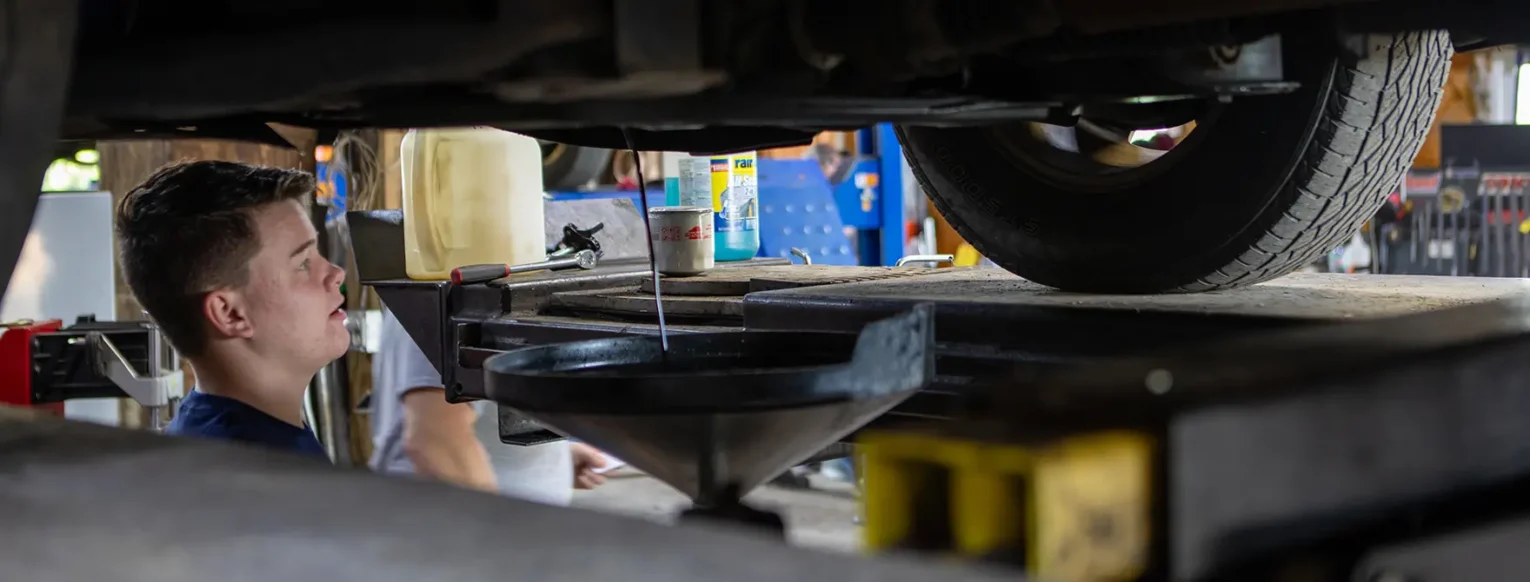
Oil changes are relatively quick and easy compared to other car maintenance, but that doesn’t mean they’re not important. Motor oil acts as a lubricant for your engine. It also protects your engine from overheating and from dirt and debris. By changing your oil regularly, you can keep your engine running properly. There are a lot of myths surrounding oil changes. In this article, we’ll debunk some of the most common oil change myths.
1. MYTH: You can top off your oil with any brand.
While you can top off your oil if you notice the levels are low, it’s not a good idea to mix brands. Different oils have different qualities. If you mix two oils that aren’t compatible, it could lead to performance issues and potentially damage your engine. It’s best to use the same kind of oil when you’re topping off.
It’s important to note that topping off your oil might not always be the best idea. The oil level should stay pretty consistent between changes. It isn’t something that is burned up like fuel. You may notice small fluctuations, but a consistent drop in your oil level is a sign that something is wrong. If you notice a consistent drop, bring your car to a mechanic to check for leaks or other issues.
2. MYTH: Thicker oil is better.
There was a time when certain engines ran better with thicker oil. Most newer cars run well, and sometimes better, with lower grades of viscosity. Oil is meant to cut down engine wear, but using the wrong viscosity can actually increase wear. For cases where thinner oil is needed but thicker oil is used, your engine may actually end up working harder and wearing faster. Thicker oil takes longer to flow—this is especially true in cold weather. It’s best to check your owner’s manual for the recommended oil viscosity.
3. MYTH: Additives can extend your oil’s life.
Most oils already include helpful additives that boost engine performance. Adding more additives may help with corrosion or viscosity, but they may not. They don’t do much to extend the life of motor oil. It’s best to still have regular oil changes. You should also note that additives can sometimes go against manufacturer recommendations and lead to a voided warranty. Make sure you do thorough research before including additives in your oil.
4. MYTH: If your oil is dark, you should change it immediately.
This myth feels logical. If the oil has darkened, it may seem like it’s picked up a lot of dirt and debris. While this can sometimes be the case, oil also naturally darkens as it moves through your engine. By itself, the color of the oil can’t tell you whether or not it’s still working. You should also look for signs of contaminants like bits of metal* and check the consistency to see if it’s sludgy. These signs plus a dark color to your oil mean it’s time for an oil change.
*Bits of metal in your engine oil may indicate severe engine damage. If you see this, more involved repairs may be necessary.
5. MYTH: You can change the oil filter every other oil change.
Your oil filter is important for the health of your engine. It removes metal or other debris from the engine oil. By failing to regularly change the filter, you will expose your engine to risky materials and unnecessary damage. It’s a good idea to change your oil filter with every oil change to ensure your engine is protected.
6. MYTH: Synthetic oil causes leaks.
Sometimes older engines have worn or cracked seals that are covered by debris deposits. Synthetic oil has been known to remove those deposits, exposing the cracked seals and leading to leaks. The leaks are not caused by the synthetic oil, but rather by the poor condition of the seals. In some cases, synthetic oil can even help to protect seals and prevent cracking. The best way to avoid this is to keep everything in your vehicle properly maintained, even all the way down to the seals.
7. MYTH: Once you use synthetic oil, you can’t go back to conventional oil.
While it’s best not to mix different types of oil together, you can swap out synthetic oil for conventional oil. Some synthetic oils already have some conventional oil mixed into them. There shouldn’t be any problems as long as the oil meets the manufacturer viscosity and quality standards.
Call Restored Auto, LLC for your next oil change.
Have you noticed a drop in engine performance? Is it time for your next oil change? Restored Auto, LLC is here to help. Give us a call today to schedule your next oil change.