
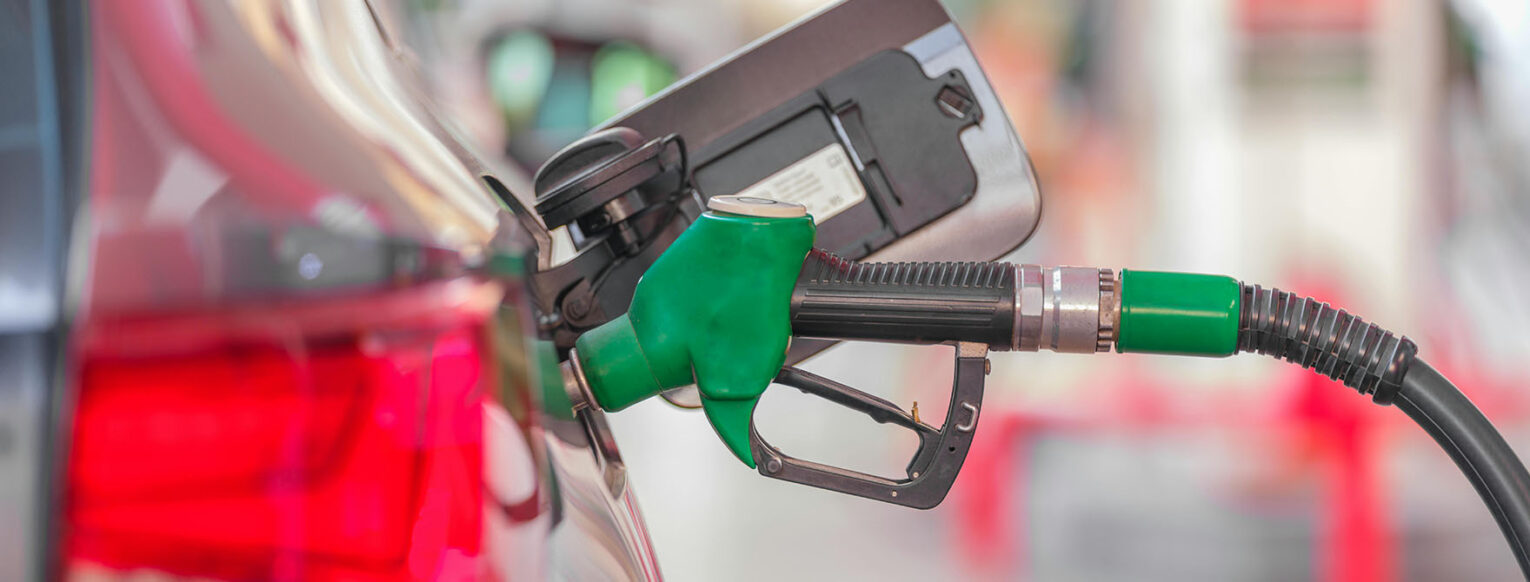
The fuel system works to store gasoline and supply it to the engine for combustion. Fuel systems are made up of many parts including tanks, pumps, injectors, filters, and lines. When everything is working smoothly, your vehicle’s engine will receive the gas it needs to start up and run. When parts of the fuel system are failing, you may notice difficulty starting, rough idling, a drop in performance, and a drop in fuel efficiency.
Common Fuel System Issues
Faulty Fuel Pumps
The fuel pump moves gasoline from the tank through the fuel lines and fuel filter. It then moves the gas into the fuel injectors, which supply it to the engine. The fuel pump has its own motor and relies on your car’s electrical system to run. An electrical failure can cause your fuel pump to stop working, as can overheating, contamination, or general wear and tear due to age. If you notice your engine stalling, your fuel efficiency dropping, or sputtering around high speeds, your fuel pump may be the cause.
Blocked Fuel Injectors
Fuel injectors work exactly as their name suggests. They inject fuel into the engine so combustion can occur. The process of combustion, or burning gasoline mixed with air, can create deposits that sometimes get stuck in the fuel injectors. This is the most common cause of fuel injector problems. If you notice your car struggling to accelerate, idling roughly, misfiring, or have trouble starting your car, it may be due to a clogged fuel injector. Minor clogs can sometimes be cleared with fuel additives, but more major ones will require either a cleaning or a replacement.
Clogged Fuel Filters
As the gasoline moves from the fuel pump to the fuel injector, it’s passed through the fuel filter. Much like other filters in your vehicle, the fuel filter helps to catch debris before it reaches your engine. Fuel filters protect both fuel injectors and engines from contaminants and keep things running smoothly. They can, of course, become clogged over time. It’s best to replace them regularly—at least every 20,000 miles.
Leaky Fuel Lines
Fuel lines are basically tubes (made of either metal or rubber) that connect the different parts of the fuel system so the gasoline can move throughout it. Fuel lines can become clogged or leak, which can create some serious problems. If there’s a leak, extra gas can sometimes light and send flames out of your tailpipe. There may also be extra exhaust. If the fuel lines clog, your car will struggle to get the right amount of fuel, and you’ll probably have performance issues. Most fuel line problems are caused by age. You can prevent fuel line problems with regular maintenance.
Failing Fuel Pressure Regulators
The fuel pressure regulator is the component that controls how the gasoline moves through the fuel system. When a fuel pressure regulator fails, this can impact the fuel to air mixture, which in turn impacts combustion. If you notice reduced engine performance, decreased fuel economy, engine misfires, or black smoke from your exhaust, this may indicate a problem with your fuel pressure regulator. It’s often best to replace regulators when they fail, and you may be able to catch it early with regular maintenance.
Contaminated Fuel
Another cause of fuel system problems is contamination in your gasoline. This can happen when there is water, dirt, or other debris in your vehicle’s gas tank. Sometimes this happens when you’re filling up at the gas station. Sometimes this happens when the fuel is low quality. Contaminated fuel may result in stalling, sputtering, poor acceleration, and even a check engine light. If your fuel system issue is due to contaminated fuel, the tank will need to be drained and cleaned. To prevent contaminants from entering your gas tank, keep your fuel cap sealed and use high-quality gasoline.
Wrong Fuel
The last fuel system issue we’ll be discussing is using the wrong fuel. If you’ve ever been to a gas station, you’ve probably seen multiple octanes of gasoline for sale. The numbers typically range from octanes in the mid 80s to those in the lower 90s. There may also be a diesel pump. Your vehicle’s owner’s manual can tell you what octane gas you should be using. If you use the wrong fuel, you may hear knocking around your engine or notice a drop in performance. There may be misfiring or backfiring. It’s best to drain the tank and replace it with the proper gas for your car.
Call Restored Auto, LLC for help with your fuel system.
If your car is having a fuel system issue, Restored Auto, LLC can help. We can repair or replace fuel pumps, fuel injectors, fuel filters and lines, and more. Keep your engine running safely and smoothly. Call us today to schedule an appointment.