
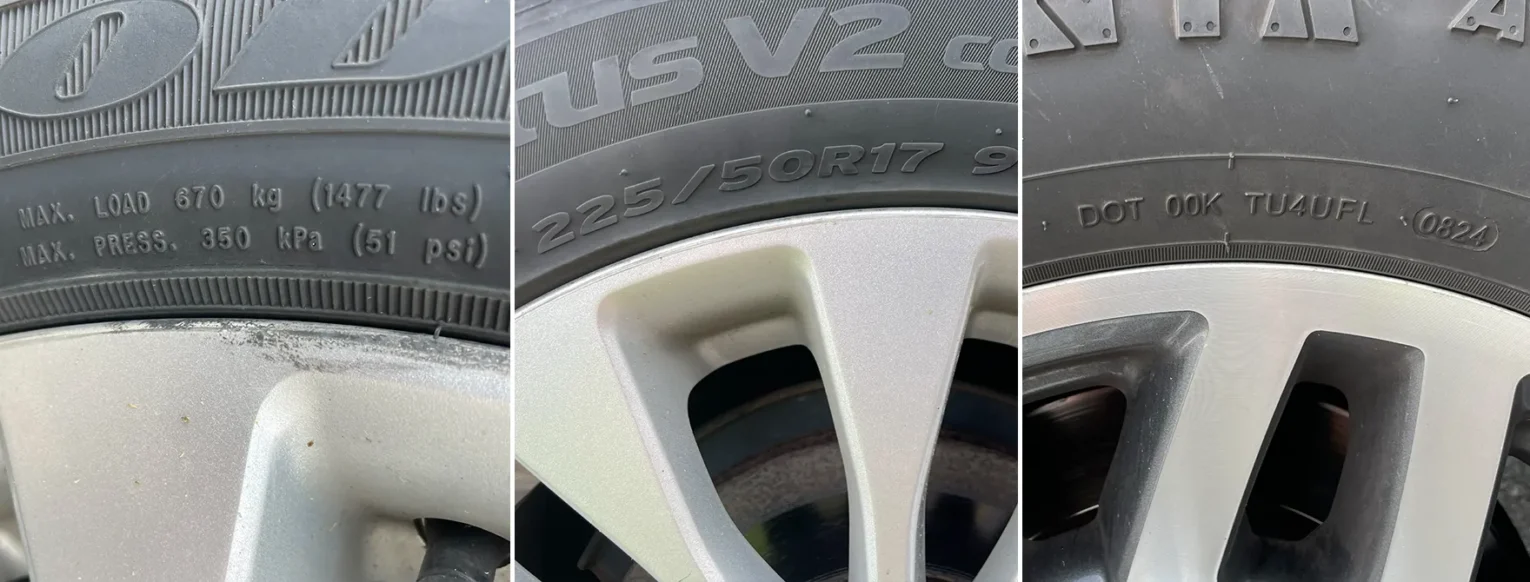
The side walls of tires are printed with helpful codes that tell you lots of information about the tires. By understanding the information on the side of your tire, you can ensure that you’re properly inflating your tire, towing the correct amount of weight, and getting the best tires to use with your vehicle. In this article, we’ll discuss a few different tire codes you may see and how to understand them.
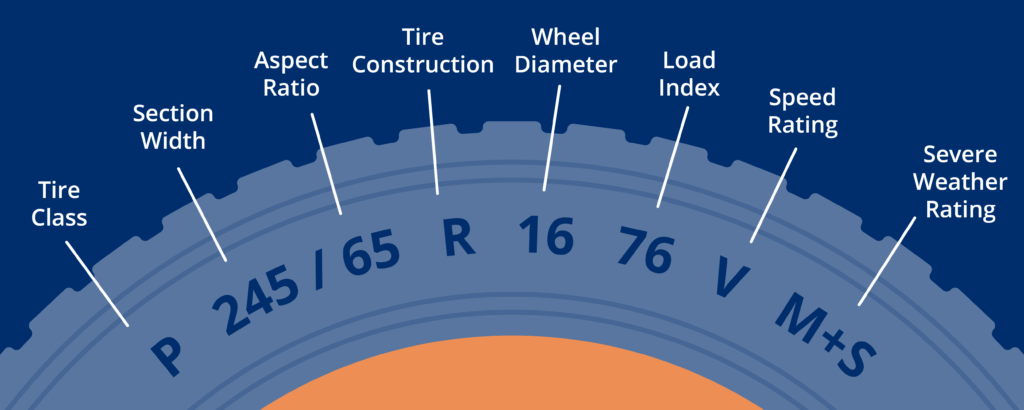
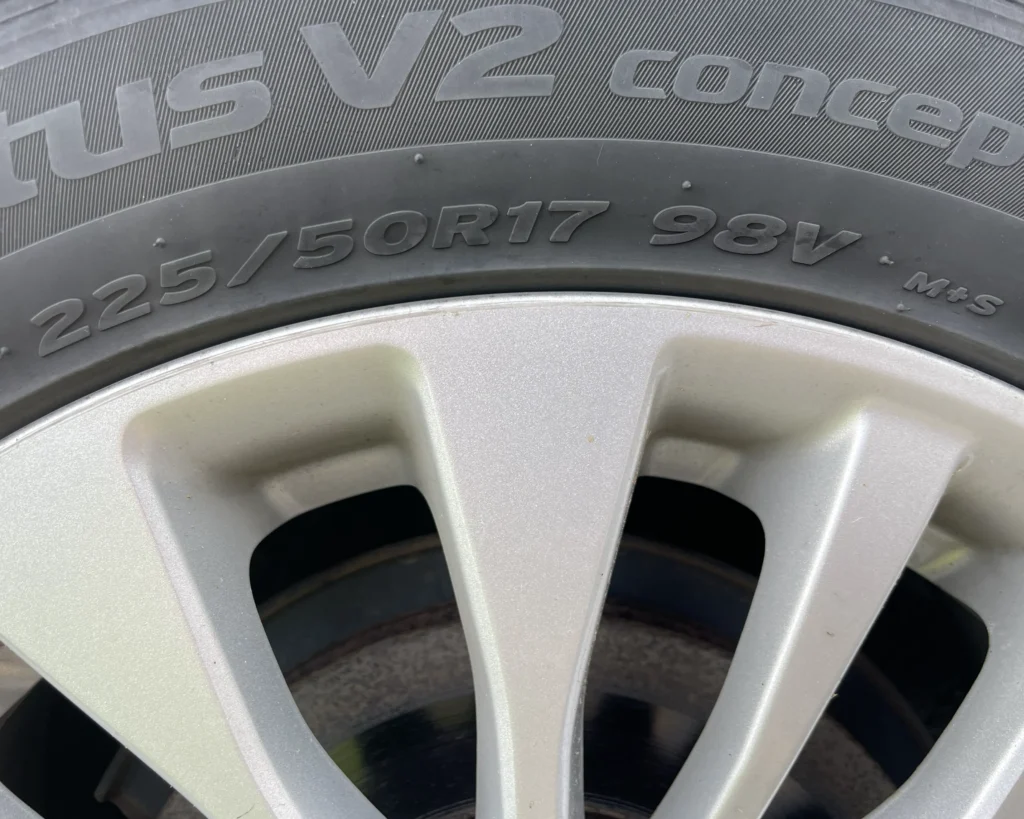
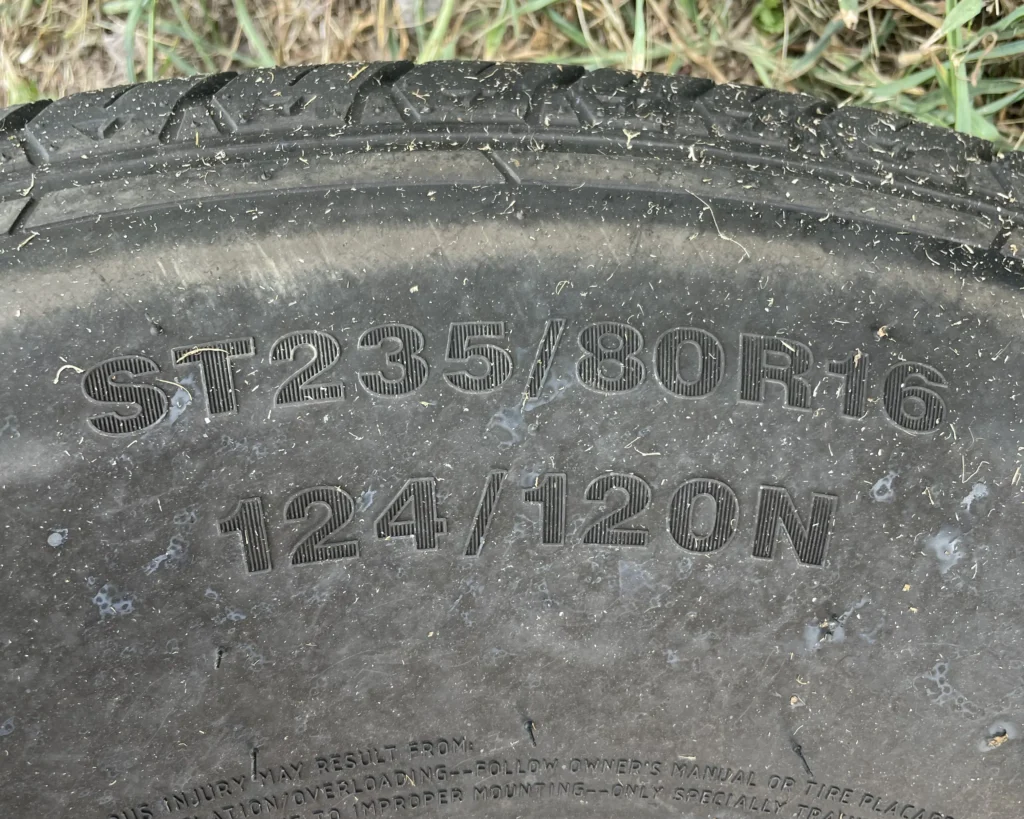
In the example graphic, each character in the code represents a different piece of information about your tire.
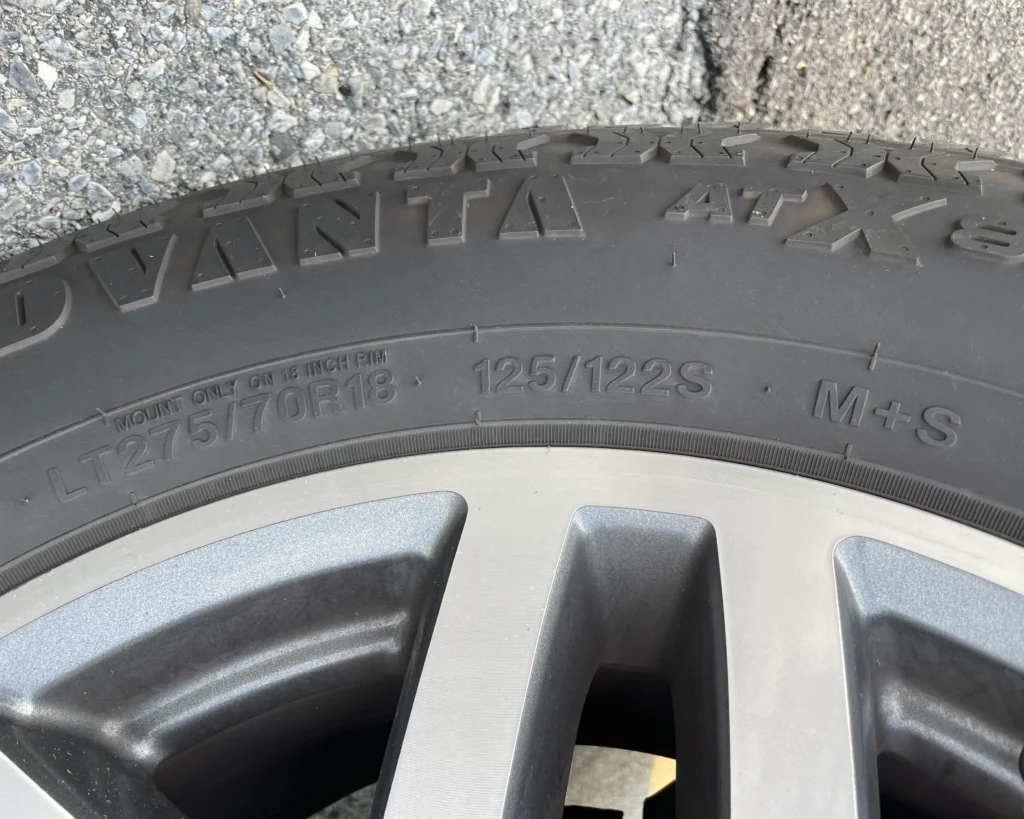
Tire Class: The first character in this code represents the tire class. Not every tire includes a letter at the beginning of the code. Here is what each letter represents:
- P: Passenger
- LT: Light Truck
- ST: Special Trailer
- C: Commercial
- T: Temporary (This is used on spare tires that are not built for regular use.)
Section Width: The second character shown in the graphic is the width or section width. This measurement is given in millimeters (mm). This is the tire’s width when measured from one sidewall to the other. It should consist of three digits. This is represented by 245 in our example graphic. It’s important to replace tires with tires of the same width because your vehicle is tuned to operate with tires of that size. If you change widths, you’ll need to do some retuning to make sure your car still runs properly.
Aspect Ratio/Height-to-Width: The aspect ratio or height-to-width ratio follows the slash behind the section width. In our example, this is a 65. This refers to the sidewall’s height as a percentage of the section width. In the example, it would be 65% of 245 mm. The height ratio can have an impact on your car’s suspension. Most passenger cars do not need excessive height on their tires, but off-road vehicles may benefit from added ground clearance.
Construction Type: The next character in the code represents the tire construction type. Most tires are built with a radial construction, though some are built with diagonal bias construction. If there is a R it’s radial and if there is a D it’s diagonal bias.
Wheel or Rim Diameter: This measurement, given in inches, denotes the diameter of the wheel that the tire should be mounted on. You cannot mount tires of a different diameter without also changing the wheels.
Load Index: The load index is used to show the maximum amount of weight that a tire can carry when it’s fully inflated. It’s important to replace tires with new tires that have a similar or greater load index so you don’t overload your tires. Overloading them can lead to premature wear and even blowouts.
Load index ratings start at 0 and go all the way up to 150. If the load index is 0, the load it can carry is 99 (that’s 99 pounds). The load goes up by 3 for every new index number (so a load index of 1 is a load of 102, a load index of 2 is a load of 105, and so on). The tires for most passenger cars range between 70 and 126. To get the total amount of weight your car can carry, multiply the load by 4. The load index in our example graphic is 76, meaning it has a load of 882. 882 multiplied by 4 is 3,528, meaning a set our example tires can carry a max of 3,528 pounds.
Speed Rating: Similar to the load index rating, the speed rating tells you a maximum amount. In this case, it’s the maximum speed a tire can travel. This number is measured when the tire is under ideal conditions. If a tire has a hole, a patch, a weak spot, or some other reason it might be damaged or underinflated, the maximum speed will decrease. Here’s a list of common speed ratings and their corresponding speeds:
- L: 75 mph
- M: 81 mph
- N: 87 mph
- P: 93 mph
- Q: 99 mph
- R: 106 mph
- S: 112 mph
- T: 118 mph
- U: 124 mph
- H: 130 mph
- V: 149 mph
Severe Weather Rating: The final part of the code shown in our graphic is a severe weather rating. This is not included on every tire. If there is an S+M, this refers to snow and mud. You may also see a snowflake icon. Winter tires often have additional iconography to indicate the traction level on different wintery surfaces. Tires with no mention of severe weather ratings are likely only meant for use in the spring, summer, and fall. If your tire is not rated for winter weather, it may make sense to purchase winter tires.
DOT Designations and Safety Markings
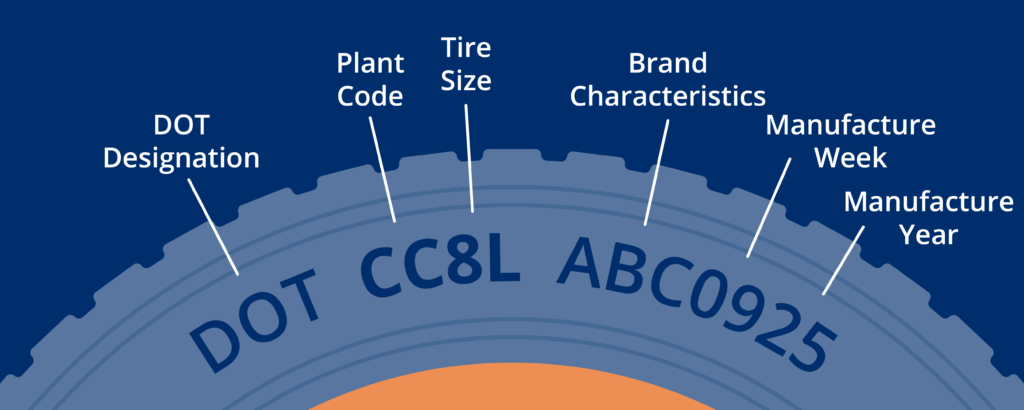
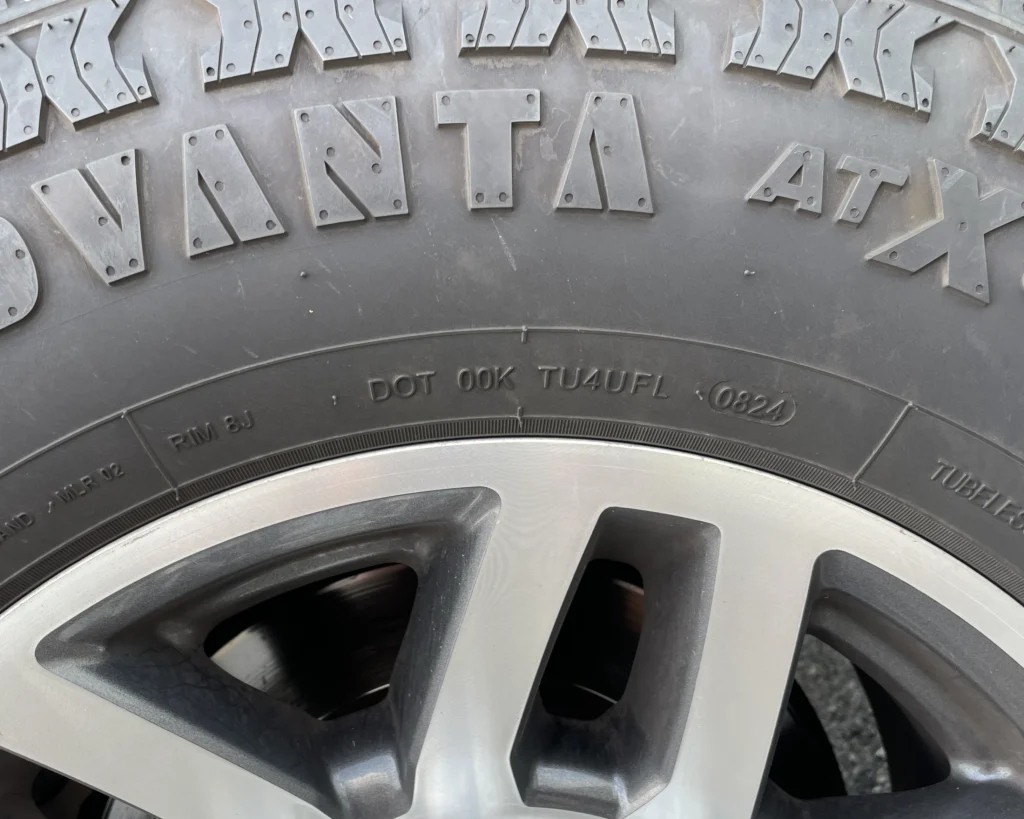
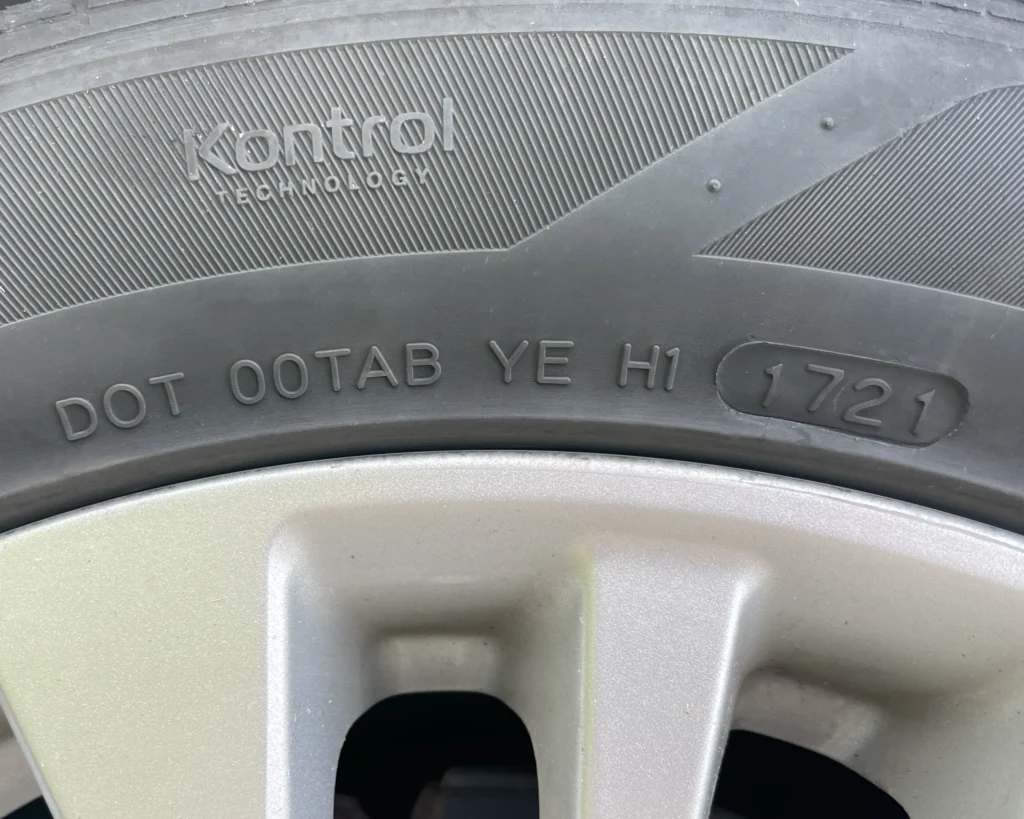
In addition to the codes listed above, your tire should include a DOT (Department of Transportation) designation and a manufacture date. DOT designations include the DOT designation itself (the letters “DOT), followed by the plant code, tire size, and brand characteristics. All of this information is more relevant to the tire manufacturer than it is to you as a consumer. The last piece of this code is the manufacture date. The first two digits of this four-digit code designate the week the tire was made and the last two designate the year. In the example graphic, the tire was made in the 9th week of 2025, or February 24, 2025, to March 2, 2025.
Treadwear, Traction, and Temperature
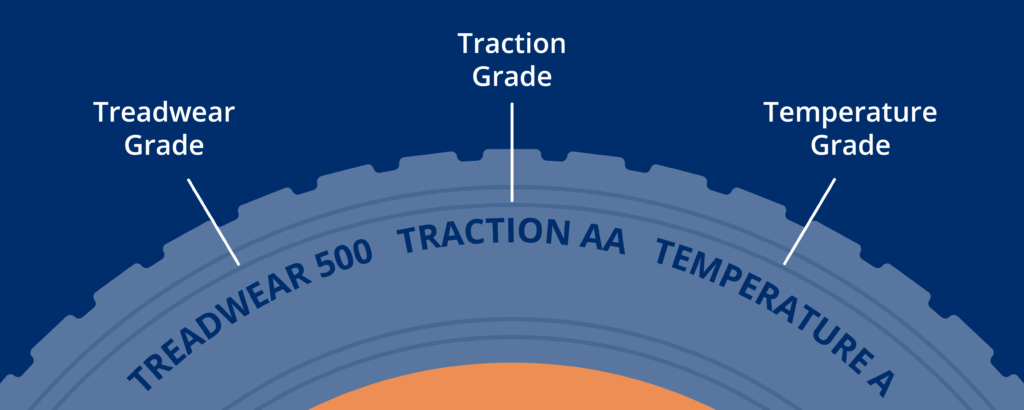
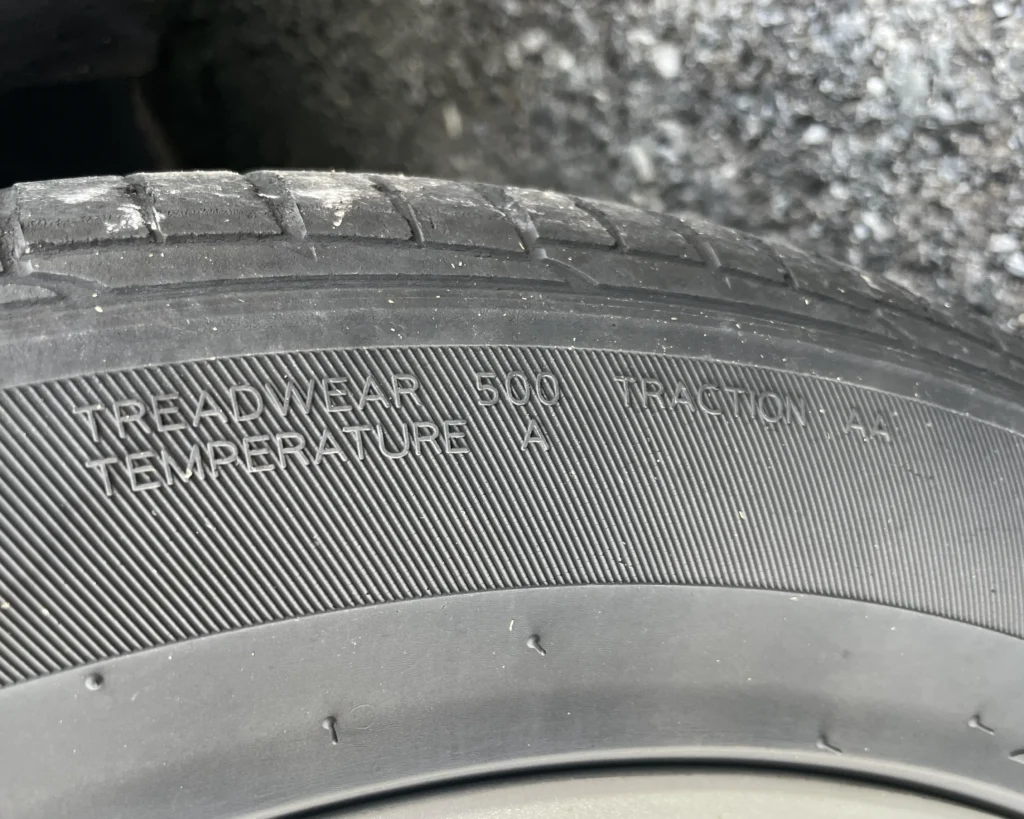
Treadwear: The treadwear rating was established by the National Highway Traffic Safety Administration. Like the DOT designation, this information is used more by manufacturers than by consumers. This rating is determined by testing how quickly a tire’s tread wears when compared to a test tire. If the rating is 100, it means the tire lasts as long as the test tire. If it’s 200, it means it lasts twice as long, and so on. Our example graphic lasts 5 times as long as the test tire.
Traction: The traction rating is determined by a tire’s ability to stop on wet pavement. This rating is tested without the use of anti-lock braking systems (ABS), which can significantly improve a car’s ability to stop in wet conditions. Traction grades are ranked as AA, A, B, or C, with AA as the best and C as the worst.
Temperature: The temperature rating measures a tire’s ability to resist temperature buildup at certain speeds. If a tire overheats, it can become a safety hazard. Temperature grades are given as either A, B, or C. The maximum speed for each temperature grade is listed below:
- A: 115+ mph
- B: 110-115 mph
- C: 85-100 mph
Additional Tire Codes
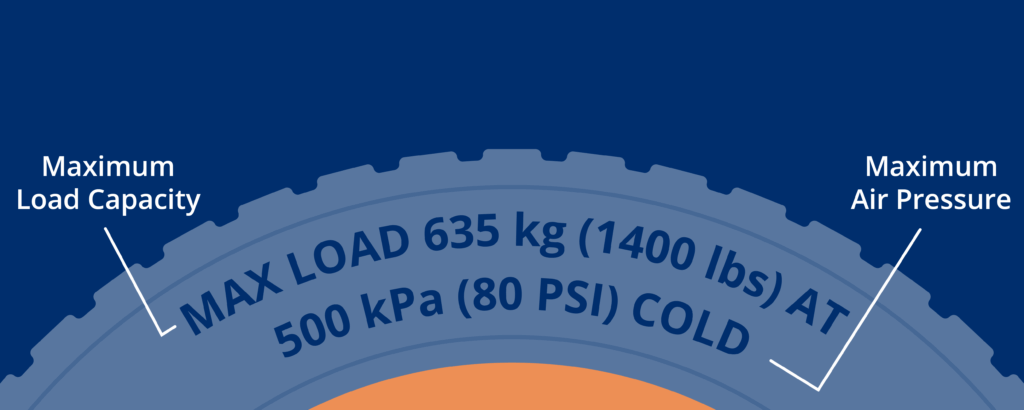
Maximum Load Capacity: Like the load index, the maximum load capacity states how much weight your tire can carry when it’s fully inflated. This information is often found in smaller print near your tire’s inner rim.
Maximum Air Pressure: The maximum inflation or air pressure may also be listed. This lists the maximum inflation pressure your tire can handle. This does not mean, however, that this is the number you should use when inflating your tire. Different vehicles require different levels of tire pressure and, depending on the size and weight of your vehicle, your tire may need less air pressure than the maximum number. It’s best to consult your vehicle’s owner’s manual or the chart on your driver’s side door jamb to get the best inflation level for your vehicle.
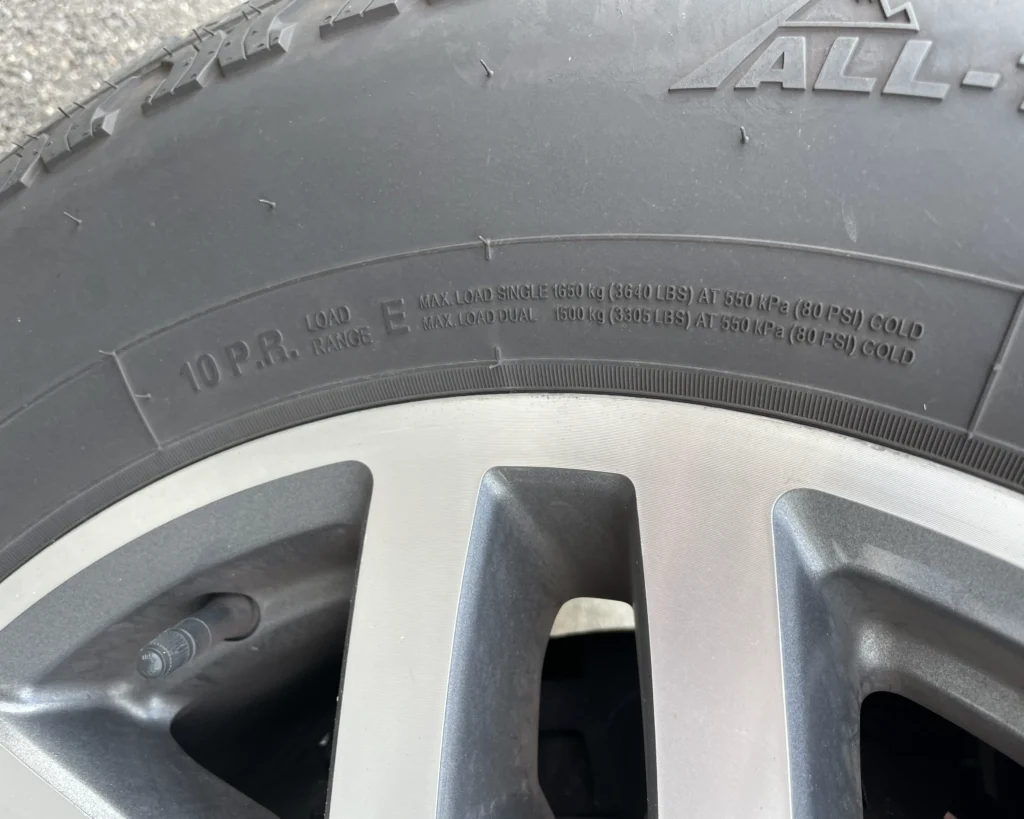
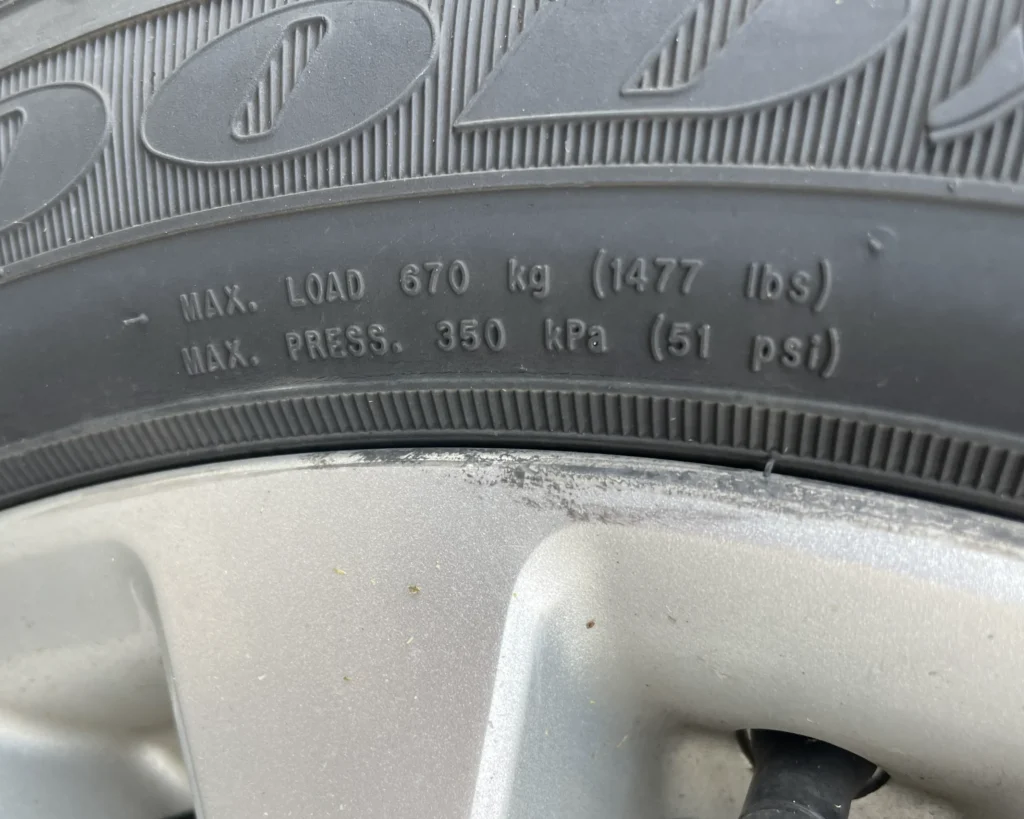
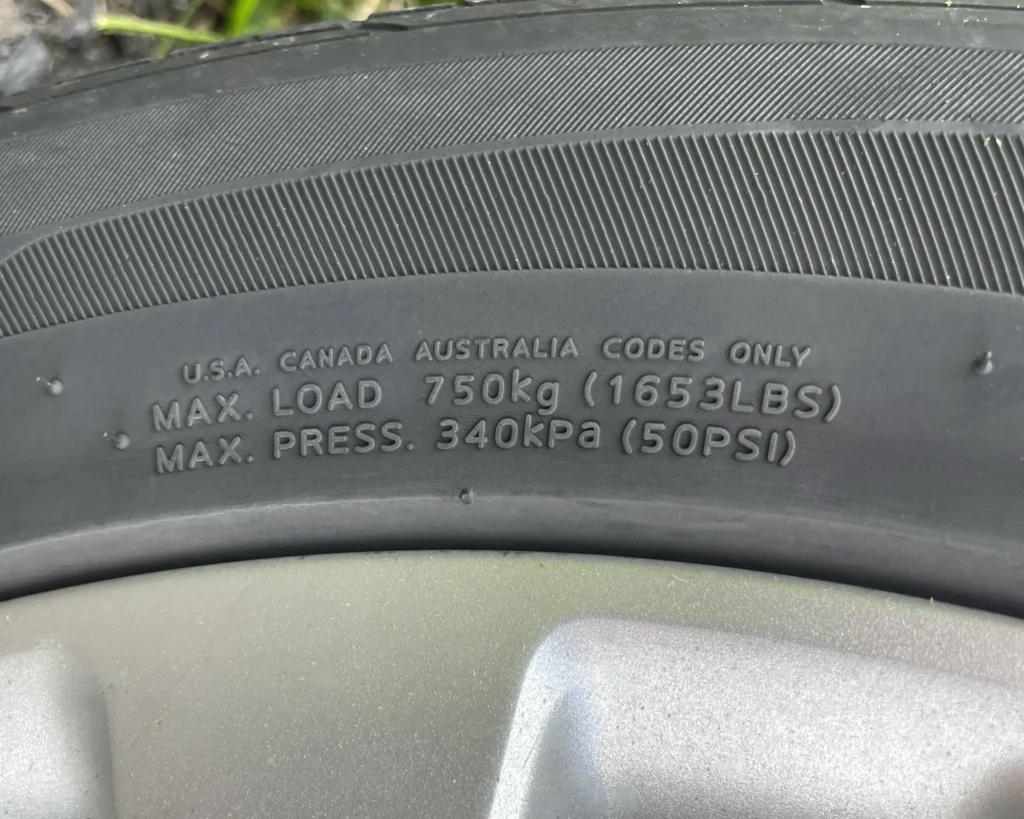
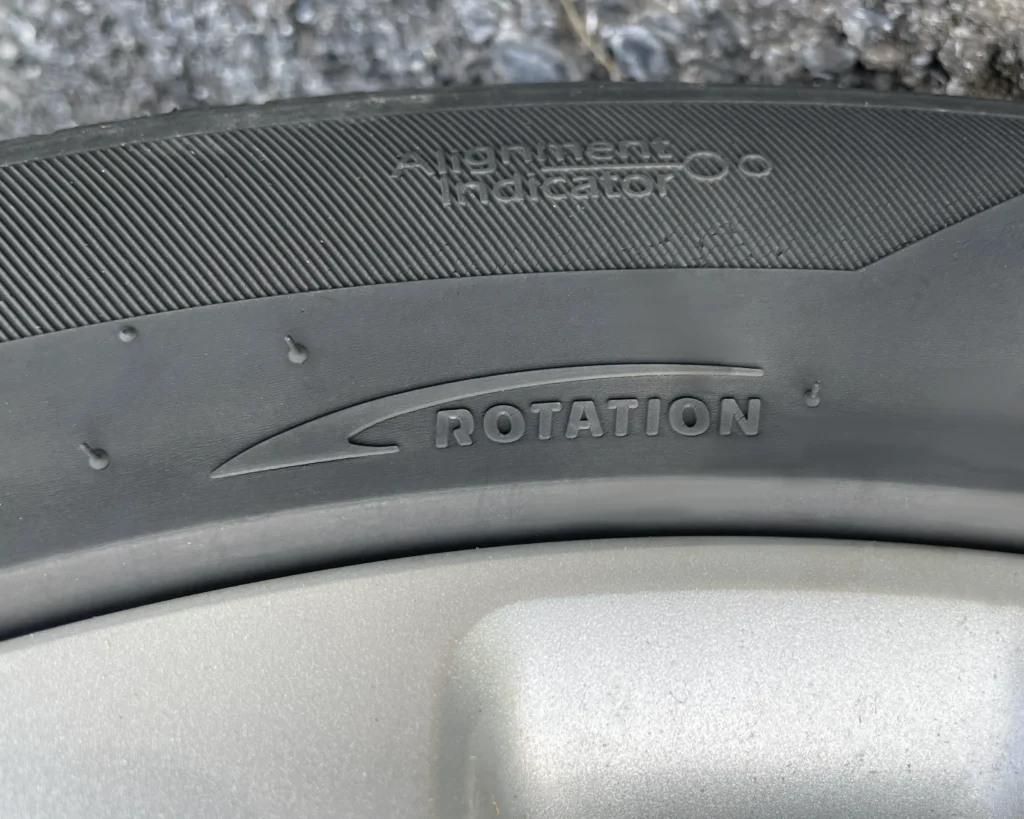
Tires may also include codes for the ply materials, rotational direction, and other warnings to prevent common installation errors.
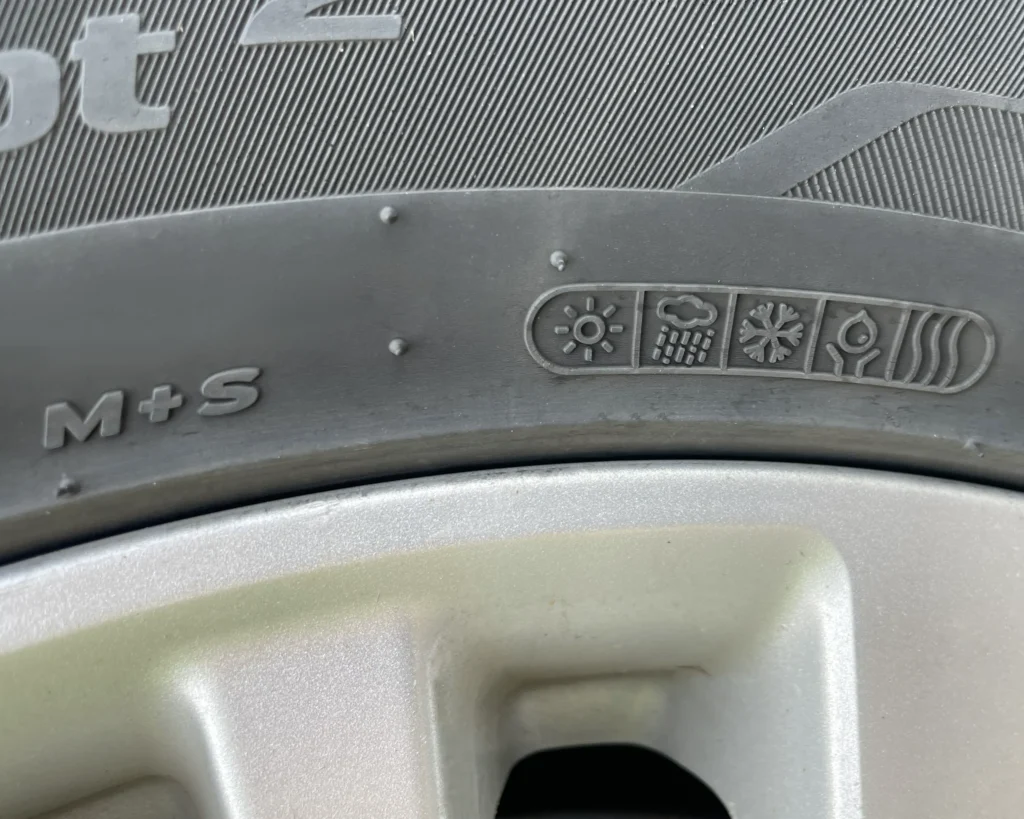
Call Restored Auto, LLC for help with your tires.
If you need your tires repaired or replaced, balanced, rotated, or swapped in or out for the winter, call Restored Auto, LLC. We can help you maintain your tires, protect your suspension, and ensure a smooth ride. Call us today to schedule your next tire appointment.