
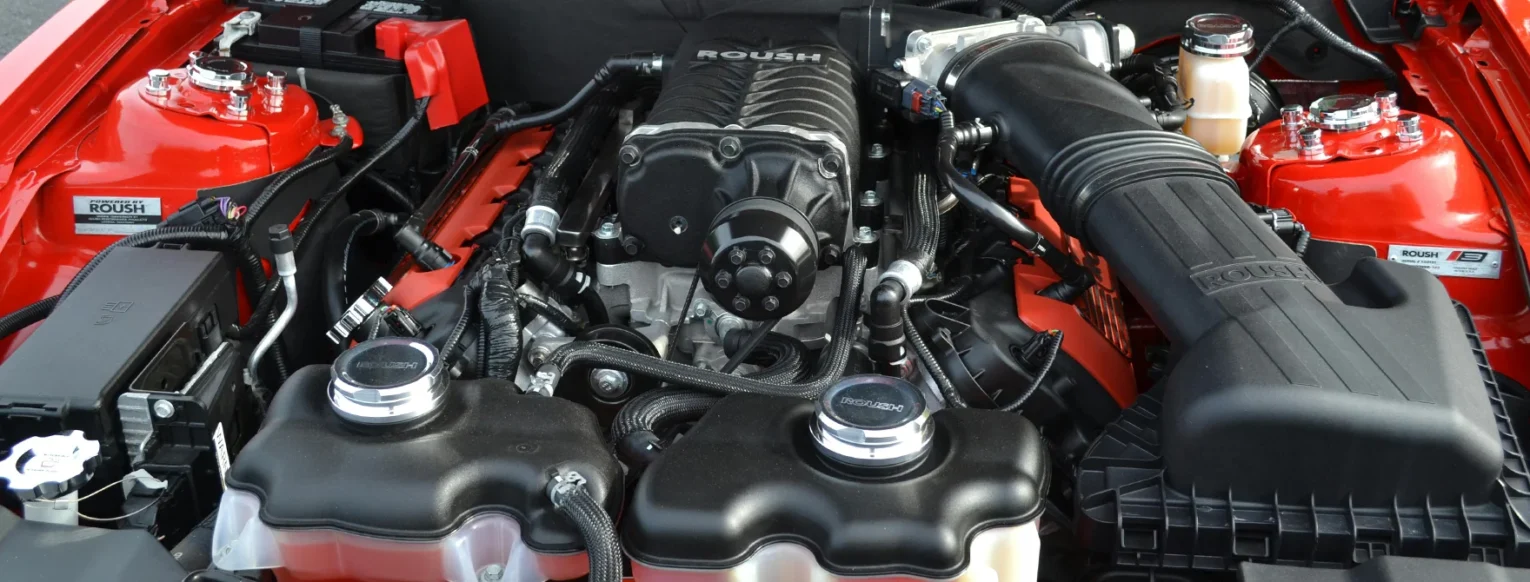
Engines have been known to make certain sounds. Some ticking noises in some engines may be normal, but the sound from most healthy engines has been described as a purr. If you’ve noticed your engine ticking in an unusual way, and especially if you’ve noticed a drop in engine performance, this may be a sign of a problem.
Common Causes of Engine Ticking
Problems with the Engine Oil
Engine oil (sometimes called motor oil) is important for maintaining the health of your engine. It keeps your engine lubricated and prevents overheating. Overtime, your engine oil can wear down. It can also leak out. If the quality of your engine oil has degraded past the point of providing proper lubrication, or if the oil level is too low, this can cause a ticking noise. The ticking may be what’s known as a “lifter tick,” meaning your lifter, follower, or camshaft is ticking from either low oil pressure or a lack of engine oil. Regular oil changes can help to prevent this.
Spark Plug Issues
Spark plugs are an important part of your car’s ignition system. They start combustion and get your car’s engine running. If the spark plugs are loose, damaged, or installed incorrectly, they can make a ticking noise. Ticking from a spark plug is often rhythmic and in time with engine revolutions per minute (RPMs). You can try cleaning, lubricating, and/or replacing your spark plugs to see if that resolves the ticking. If it doesn’t, there’s probably a more serious problem at hand.
Faulty Fuel Injectors
Fuel injectors move fuel to your engine’s cylinders. This is one part of your car that may always make some kind of ticking noise. If the ticking becomes louder than normal or if it sounds erratic, that’s a sign that something may be wrong. The fuel injectors may need to be cleaned and reinstalled, or they may need to be replaced. Either way, a trusted mechanic, like the ones at Restored Auto, LLC, can help with your fuel injectors.
Leaky Exhaust Systems
The exhaust system helps with both vehicle performance and vehicle safety. It keeps harmful gasses out of the passenger cabin, maintains fuel efficiency, and increases vehicle performance. If your exhaust system is leaking, this can cause a ticking sound. Ticking sounds are especially common when the exhaust manifold is leaking. This could be caused by a gasket problem, a cracked manifold, or a failing pipe. Most exhaust leaks are pretty easy to spot—the area will probably be covered in black soot. If your exhaust system is the source of the ticking sound, it’s important to take your car to a mechanic for a repair.
Bad Bearings
Bearings are a type of support in car engines. They help to direct certain kinds of motion and prevent friction. There are many different types of bearings and some rely on lubricants to provide necessary support to your engine. If a bearing has worn, it can make a ticking sound. Ticking bearings should be replaced to ensure your engine runs safely and smoothly.
Worn Valvetrains
The valvetrain controls your engine’s intake and exhaust valves. There are a lot of components that may be connected to your valvetrain, including rocker arms, lifters, pushrods, camshafts, crankshafts, timing belts, and more. If any of these parts wears down, the valvetrain may begin to tick. This sort of ticking is often more noticeable at lower RPMS or when your car is idling. If you suspect the valvetrain is the source of your car’s ticking, take it to a mechanic for a repair.
Call Restored Auto, LLC for help with your engine ticking.
The experienced mechanics at Restored Auto, LLC can help you with your ticking noise. We can diagnose the engine problem to locate the source of the ticking and help you determine how best to proceed with repairs and replacements. Call us today to schedule an appointment.