
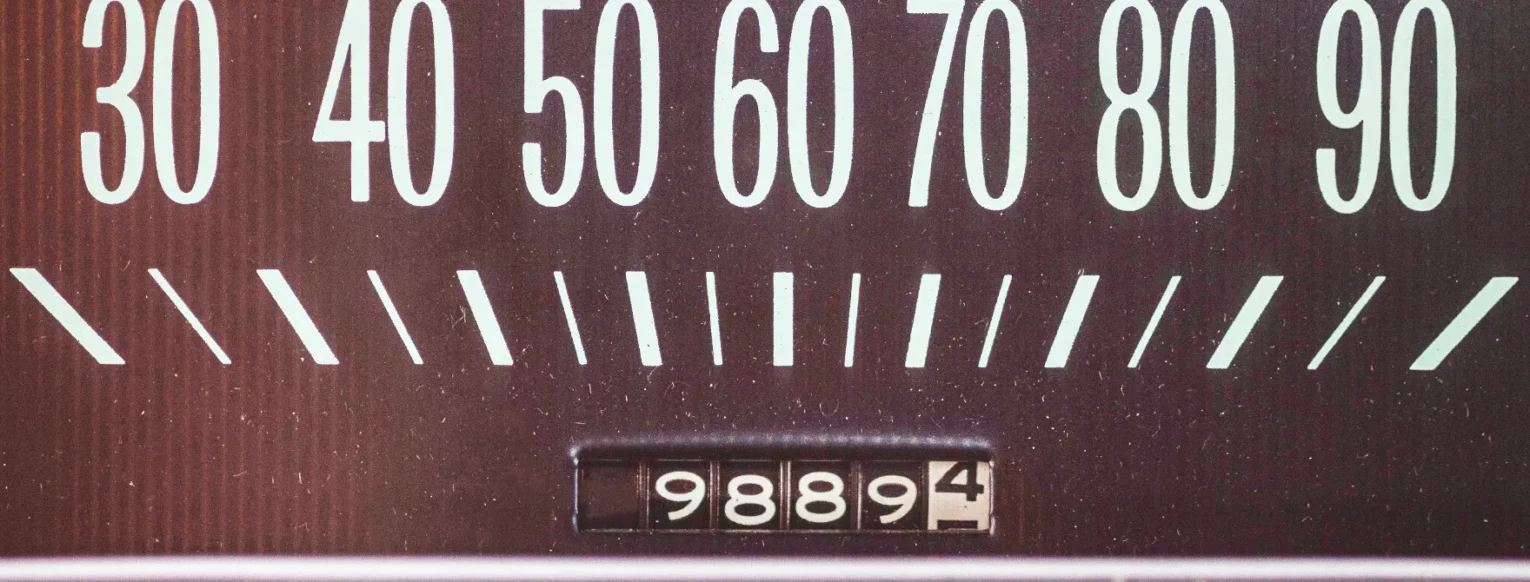
The average lifespan of a car in the U.S. has increased over time. Progressive estimates that the average car is around 12 years old. That means most cars are driving anywhere from 100,000 to 300,000 miles. With proper maintenance, your high mileage car can last a long time, too. While obvious damage caused by accidents or extreme weather can impact a car’s lifespan, most cars are more at risk from mundane issues. Things like rust, corrosion, poor driving habits, and bad road conditions can all beat up a car and keep it from reaching those higher mileage counts. Below are some tips that can help you maintain your high mileage car.
1. Check the fluids often.
The fluids in vehicles of any age are important for maintenance, but even more so for older vehicles. Once your vehicle hits 100,000 miles, it’s extra important to keep up with regular oil changes. You should aim for either every 3 months or every 3,000 miles—whichever comes first. Depending on the car you drive and the age of the engine, it may also be a good idea to add a treatment to the oil that can help to keep the engine clean.
In addition to oil changes, you should also regularly check the brake fluid, coolant, power steering fluid, and transmission fluid. Make sure the levels are correct and that each fluid is the right color and consistency. Consistently low levels or thick, smelly fluid may indicate a leak or other issues.
2. Check the filters, belts, and hoses.
A dirty engine filter has the potential to cause as much damage as bad engine oil. Engine filters keep dirt, dust, bugs, and other damaging debris out of your engine. Engine filters can clog up over time, so they need to be regularly checked and replaced. It’s a good idea to check it at least every 15,000 miles, but as your car gets older, you may want to check it more frequently.
While checking your filter, you should also check the various belts and hoses in your vehicle. Look for bubbles, holes, and other signs of wear. If your car has a timing belt, it’s important that you check it at regular intervals. A broken timing belt can cause a lot of expensive damage to your engine, so don’t hesitate if it needs to be replaced.
3. Take care of the battery.
While most car batteries can last from 3 to 5 years, higher mileage cars may go through batteries a bit faster than newer, lower mileage cars. It’s a good idea to keep an eye on your battery to make sure it’s still holding a charge and that it isn’t corroded. It’s normal for some corrosion to be on your battery, and you can usually clean it off. You should also clean any corrosion off of the cables.
If you don’t use your high mileage car all that often, it may be a good idea to disconnect the battery or to get a battery maintainer so that it can be charged regularly. Batteries that sit for too long without any use can lose power and eventually stop working altogether.
4. Clean the fuel system.
Your car’s fuel system plays an important role in starting your car and keeping it running. Fuel injectors are an important part of that system and may be responsible for helping your car reach the high mileage on your odometer. If there’s any dirt or debris clogging your fuel injectors, your car is less likely to get the proper fuel to air ratio, meaning it will either burn through fuel more quickly or fail to start. You can prevent any issues with this by keeping your fuel injectors clean. You can add a cleaner to your gas tank every 3,000 to 5,000 miles that will help your system work efficiently.
5. Check your tires and alignment.
A higher mileage doesn’t necessary affect your tires, but the state of your tires can affect your high mileage car. Keeping your tires properly inflated can protect them from potholes or other road hazards. You can also maintain braking performance. Underinflated tires are dangerous and may lead to damage or unsafe driving conditions. You should also rotate your tires on a regular basis to keep the tread wear even and extend the life of your tires.
Another way to maintain your tires and your high mileage car is to have regular alignments. An alignment can make your car safer and smoother. Collisions, hitting curbs or potholes, and driving on underinflated tires for too long can all cause alignment issues. Issues can also be caused by the regular wear and tear of driving. It’s a good idea to have your alignment checked every 6 months, or during every other oil change.
6. Wash and wax regularly.
The final high mileage maintenance tip is to wash and wax your car regularly. This isn’t just for looks. Because higher mileage cars tend to be older, they also tend to be more susceptible to rust. Rust is the silent killer for many a car and keeping your paint clean and covered by a protective layer of wax can keep rust at bay. You can also take advantage of Restored Auto, LLC’s rust inhibiting frame spray to protect the undercarriage of your high mileage vehicle.
Call Restored Auto, LLC for maintenance.
If you need help maintaining your high mileage car, Restored Auto, LLC is here. We offer oil changes, leak repair, tire rotation, vehicle alignments, battery replacement, and much more. Call us today to schedule an appointment.