
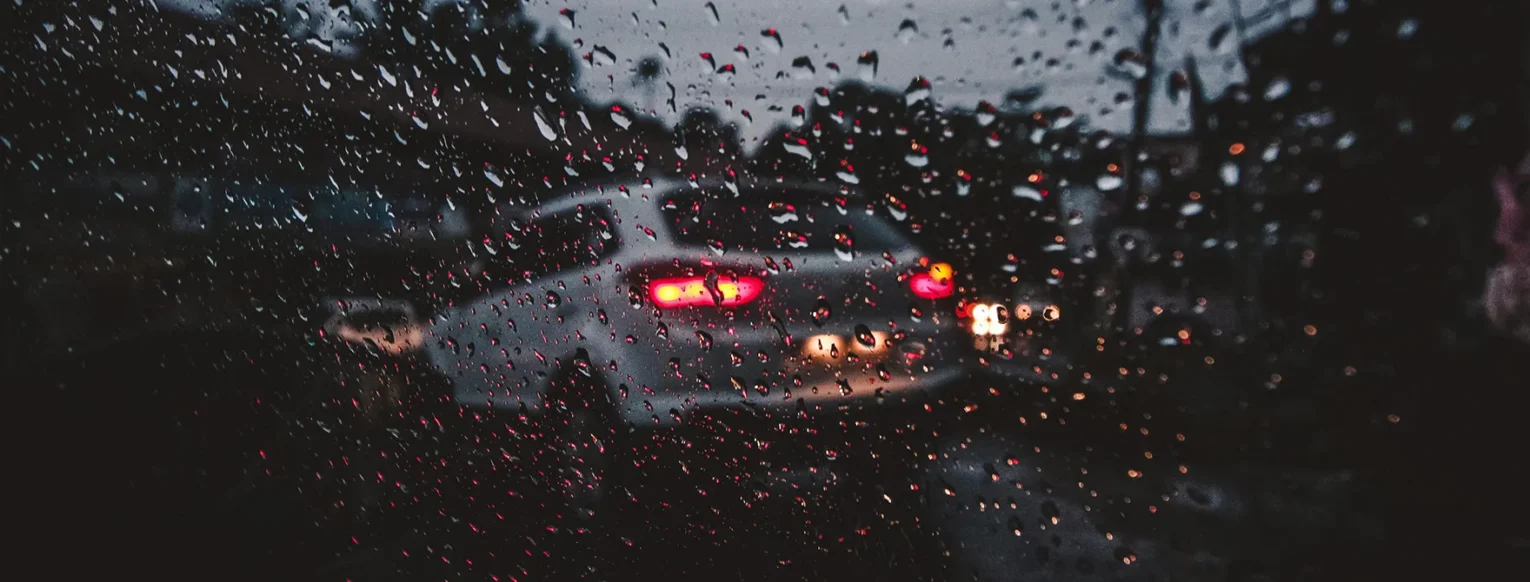
While driving in the rain might seem commonplace, it can still be dangerous. According to the Department of Transportation, about 77% of weather-related crashes happen in rainy or misty conditions. Understanding how to drive in the rain can keep you safe and prevent damage to your vehicle. Keep reading for some tips on how to drive safely in the rain.
Tips for Driving Safely in the Rain
Slow Down
The first thing you should do when driving through any kind of inclement weather is slow down. Reducing your speed can help you to keep control of your vehicle and avoid skidding and hydroplaning. You should also avoid braking suddenly or making quick turns. Even a small amount of water on roadways can make sudden braking or turning more dangerous. Go slowly and stay safe.
What is Hydroplaning?
Hydroplaning occurs when a vehicle’s tires lift up on water and lose contact with the road. This can be caused by traveling too quickly over wet roads, or making abrupt lane changes or turns. It doesn’t take much water for a vehicle to hydroplane. Hydroplaning can also occur in standing water even when it’s not actively raining. To avoid hydroplaning, or to stop hydroplaning if it’s started, remove your foot from the accelerator and allow your car to naturally slow down. This will help the tires regain traction on the road. You can also try driving through the tracks of the vehicle in front of you to reduce your chances of hydroplaning.
Increase Following Distance
It’s generally recommended to keep at least 4 seconds of following distance between your vehicle and any vehicles traveling in front of you when driving under ideal driving conditions. You should increase this distance when driving in the rain, doubling it on wet roads. To determine your following distance, pick a fixed point on the side of the road that’s lined up with the car in front of you and count to 8. If you pass that point at or after 8, you have enough space between the two cars. This space can give you time to react to the car in front of you and avoid collisions.
Use the Headlights
Headlights are very important when driving in rainy weather. Not only can they help you see the road, but they can also help other drivers to see your car. It’s also important to note that Pennsylvania law requires drivers use their headlights whenever using windshield wipers. Failing to do so could result in a traffic ticket, which could lead to fines, points on your license, or other legal issues that are best avoided. Stay safe and keep your headlights on.
Do NOT Use Cruise Control
Cruise control can be a very handy feature, especially when you’re taking a long trip somewhere. But it’s very dangerous to use cruise control on wet roads. Because cruise control maintains a consistent speed, using it in the rain could cause skidding or hydroplaning. If you lose traction on a wet road, the best way to regain that traction is to slow down by removing your foot from the accelerator. You can’t do that when cruise control is engaged, meaning that recovering from a skid or a hydroplane becomes more difficult and more dangerous. It’s best to only use cruise control during dry conditions.
Plan Your Route Before Driving
Flooding is common with steady or heavy rain. It’s a good idea to plan your route before heading out to avoid areas that are prone to flooding. Driving through floodwater can be dangerous for a few reasons:
- You can lose control of your vehicle.
- You can damage your vehicle.
- Flash flooding can occur without notice and sweep your vehicle away.
Taking the time to plan your route and avoid flooding can ensure a safer, smoother trip.
Pull Over if Visibility is Poor
Even lighter rain can negatively impact your visibility when driving. A heavy downpour can make it almost impossible to see. If you’re driving and the visibility is too obstructed, find a safe spot to pull off of the roadway. Parking lots and driveways are preferable, but if you can’t find one, pulling over on a wide shoulder can work. If you pull over on a shoulder, be sure to keep your hazard lights on so that other drivers can see your car. Once the rain has lightened enough to see, you may resume traveling.
Stay Home When You Can
The best way to stay safe in the rain is to avoid driving in it. If you don’t have to leave in bad weather, don’t. Most heavy rainstorms in southeastern Pennsylvania will clear up within an hour or two so you can usually wait them out. If you don’t have a choice, remember to drive slowly, keep your lights on, increase following distance, and avoid flooded areas.
Rain Maintenance Tips
In addition to safe driving practices, you can also increase your safety driving in the rain by maintaining your vehicle.
- Keep an eye on your windshield wiper blades. If you notice streaking or spots that your wipers consistently miss, it’s time for new wiper blades. Wiper blades will wear out over time, so be sure to check them regularly to make sure they’re in good working condition.
- Make sure your climate control is working properly. Rain can sometimes cause fog on your windshield, making it harder to see. Depending on the temperature, both the air conditioner and the heater can help to defog your windshield. By maintaining your car’s climate control system, you’ll be covered in a variety of circumstances.
- Regularly check your tire tread depth and tire pressure. The tires’ tread will help you maintain contact with the road. Bald tires can cause slipping or skidding and are dangerous to drive on. Properly inflated tires will better absorb any impact from potholes or other road hazards you may encounter in the rain.
- Check your headlights, taillights, turn signals, and brake lights to ensure they’re all working. These are important for safe travel even when it’s not raining.
Call Restored Auto, LLC for Help with Vehicle Maintenance
Whether you’re looking to maintain your vehicle before a rainstorm or deal with damage after one, Restored Auto, LLC can help. We’ll be happy to replace any wiper blades, repair any headlights, check your tires, change your brakes, and more. Give us a call to schedule your vehicle maintenance today.